
Blog › Fashion & Styling › Top Fashion Trends I Love in 2026
Top Fashion Trends I Love in 2026
From soft tailoring and the saree-meets-separates moment to earth-tone quiet luxury and skin-first beauty — the 2026 fashion trends I am genuinely loving as a working female model in India.
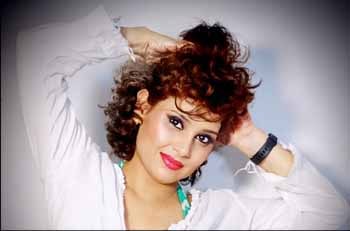
Fashion is having a particularly interesting year. 2026 fashion trends in India are moving away from the maximalism of the early decade and into something quieter, more architectural, more wearable for actual human beings. As a female model based in Chandigarh shooting across Mumbai, Delhi, and the South, I get to live inside these trends a few months before they hit the high street. Here are the ones I am genuinely loving — not the ones I’m being paid to like.
1. Soft tailoring with structured shoulders
The pantsuit is back, but it has been to therapy. The 2026 version is softer at the waist, structured at the shoulder, and cut in fabrics that drape — wool blends, raw silk, brushed cotton. Designers like Lovebirds, Pero, and 11.11 are leading the charge. On the South Asian body, the new soft tailoring is incredibly flattering — it builds line without hardness.
I shot a campaign last month in a deep brown silk-wool suit with a slight kimono shoulder. It photographs like sculpture and feels like pyjamas. That is the dream.
2. Saree-meets-separates
The conversation between the saree and Western tailoring is getting smarter. Pre-stitched saree gowns, draped dhoti pants paired with corseted blouses, dupattas worn as scarves over slip dresses. Designers like Raw Mango, Rahul Mishra, and Anita Dongre are pushing this beautifully. The look is unapologetically Indian and globally coherent at the same time.
Personally, I am wearing a lot of pre-stitched sarees this season — the morning prep time is cut by half, and the drape stays clean even after a long event.
3. Earth tones over jewel tones
The peacock-and-emerald palette of 2023 has given way to a quieter conversation — burnt sienna, dusty olive, ivory, espresso, oat, charcoal. The Indian skin reads beautifully against these tones, and they photograph reliably under both warm and cool light. My current personal wardrobe is roughly 70% in this palette and I have noticed I get dressed twice as fast.
4. Quiet luxury — but the Indian version
The “old money” aesthetic that took over global Pinterest in 2024 has had a brilliant Indian translation. Think hand-loom cottons, hand-block prints, mirrored buttons, and absolutely no logos. Brands like Bodice, Doh Tak Keh, and Raw Mango have been doing this forever, and the rest of the country is finally catching up.
My favourite outfit this year so far: a pure ivory chanderi kurta with hand-block printing in the lining, paired with linen trousers and oxidised silver. Total cost was less than a Zara haul. Total camera return — incredible.
5. Bold belts, big buckles
Belts have moved from accessory to statement. Wide leather belts over kurtas. Sculptural buckles over saris. Even oversized obi-style belts with western dresses. The right belt can rescue an outfit that would otherwise be a passable seven and turn it into a memorable nine.
6. The return of the heel — but lower
Stiletto fatigue is real, and I am not sad about it. The 2026 heel is a sensible 5–7cm block or kitten heel. Mary Janes, slingbacks, and pointed-toe loafers are everywhere. As someone who walks a lot of sets, my ankles are sending thank-you notes to the entire industry.
7. The slip dress, refined
The 90s slip dress is back, but adult-coded — cut a little longer, in heavier silks, often layered over a fine knit. Easy to style, ridiculously photogenic, and a genuine workhorse if you travel a lot. I packed two slip dresses for a four-day trip to Goa last month and didn’t repeat a look.
8. Statement jewellery — but one piece at a time
Layering is out. One assertive piece is in. A single bold cuff. One sculptural earring. A heavy choker against bare ears. The frame of any photo carries one focal point well; it muddles two; it loses three. I have been doing a single oxidised silver piece on most days, and I get more compliments than I did when I wore three.
9. Hair tied back, on purpose
The blowout era is taking a small break. Sleek low ponytails, deep middle parts, neat low buns, and the occasional braid are dominating both runway and street. As a working model, this trend is a gift — it photographs cleaner, lasts longer, and survives wardrobe changes.
10. Beauty: skin first, makeup second
The “no-makeup makeup” look has matured into a genuine investment in skin. Fewer base products, lighter coverage, glossier lips, brushed-up brows. The market for skincare in India has exploded, and brands like Plum, Foxtale, Minimalist, and 82°E have made high-quality routines actually affordable. My on-shoot rule: spend on skincare, save on foundation.
What I am quietly retiring this year
- Stiletto-thin eyebrows — they age badly on camera.
- Glossy lips with no liner — the camera reads them as wet, not luxe.
- Logo-led branding — replaced by craft-led tailoring.
- Overly contoured faces — soft contour is back, sharp contour is over.
My one fashion philosophy for 2026
Buy less, choose well, repeat happily. The most photographed outfit in my last five months has been a single ivory chanderi kurta. Not a viral piece. Not an expensive one. Just one well-cut, well-styled, well-loved item I have been re-styling shamelessly. Indian fashion in 2026 is rewarding exactly this kind of intelligent restraint, and I am here for every minute of it.
Frequently asked
- What are the biggest fashion trends in India for 2026?
- Soft tailoring with structured shoulders, saree-meets-separates, earth-tone quiet luxury, sensible block heels, statement single-piece jewellery, and a clear shift to skin-first beauty over heavy foundation.
- Which Indian designers are leading 2026 fashion?
- Lovebirds, Pero, 11.11, Raw Mango, Rahul Mishra, Anita Dongre, Bodice, and Doh Tak Keh — across the soft tailoring, saree, and quiet-luxury conversations.
- Is fast fashion still relevant in 2026?
- Less so. Indian fashion in 2026 is rewarding restraint — fewer pieces, better cuts, hand-loom fabrics, and re-styling the same item across many looks instead of constant new buys.
Read next
Journey of a Model from Chandigarh – Kanak Raj
How a girl from a quiet sector in Chandigarh built a working modelling career — without overnight breaks, without a famous family, and without leaving home behind.
What It Takes to Become a Female Model in India
The honest, working playbook for becoming a female model in India in 2026 — portfolio, training, money, social media, and the safety conversations no one wants to have first.
Behind the Scenes of My Latest Photoshoot
The polished frame is one of four hundred. Here is the unfiltered timeline of a recent fashion shoot day — wardrobe pins, golden hour panic, and the crew who quietly hold the day together.