
Blog › Behind the Scenes › How I Prepare for a Shoot
How I Prepare for a Shoot
The polished frame is built off-camera. Here is the 72-hour preparation timeline I follow before every shoot — body, skin, wardrobe, mind, and the small habits that quietly engineer a great shoot day.
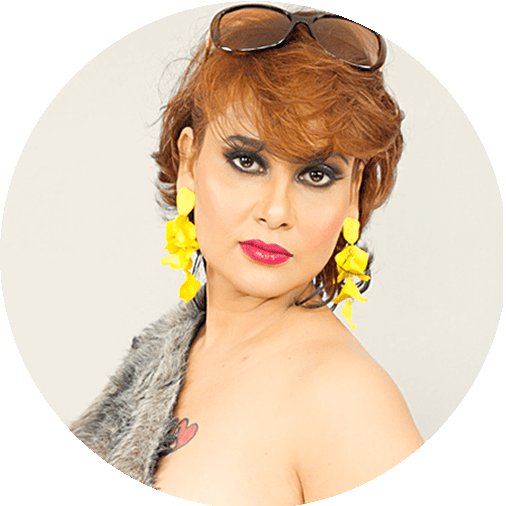
The polished frame you scroll past in three seconds usually represents three days of preparation, not three hours of magic. How I prepare for a photoshoot as a working female model in India is honestly more boring and more disciplined than people imagine — and that exact lack of drama is what keeps the work consistent. Here is the real version of my prep timeline.
72 hours before — the brief and the brain
I read the brief again, slowly. I look at the mood board the photographer has shared. I understand who the brand is talking to. Most amateur models walk into shoots without truly understanding the audience the brand is selling to. I cannot adjust my face or body language for a brief I haven’t internalised.
I write down two or three references that match the brief — frames I admire, posture inspirations, expression notes. Not to copy. To prime my brain.
48 hours before — wardrobe alignment
If I am styling myself, the outfits get laid out, photographed in daylight, and pre-approved over WhatsApp with the photographer. If a stylist is leading, I confirm shoes, undergarments, and accessories — the most common bottlenecks on shoot day.
I also pack my essentials kit, which never travels far from my shoot bag:
- Two sets of nude underwear and a strapless bra
- Fashion tape, safety pins, hair pins, hair ties
- Blotting paper, hand cream, lip balm, a small mirror
- One nude lip pencil, one bold lip pencil, one mascara
- A small bottle of water and a granola bar
- Slippers (nothing kills feet on set faster than fancy shoes during waiting time)
- A small notepad and pen — old habit, surprisingly useful
36 hours before — the body
- Hydration: three to four litres of water. Skin shows it almost overnight.
- Salt: reduced sharply. Bloating photographs like extra weight.
- Caffeine: moderated. Too much, and the eyes look tired.
- Workout: a light Pilates session, no heavy weights. I am not trying to be sore on shoot morning.
24 hours before — the face
This is when I get strict about skin. A clean double-cleanse. A hydrating mask. No new product whatsoever — even a single new ingredient can give the camera a surprise breakout. I do my brows. I trim hangnails. I tidy fingernails (real ones — fake nails on camera are a love-it-or-hate-it choice and I prefer mine bare on most shoots).
I also confirm logistics: address, call time, contact phone numbers. I screenshot the location in case my data dies on the way.
The night before — sleep is the only real luxury
Lights out by ten. Phone on do-not-disturb. Bedside table is one glass of water and the alarm. I have learnt that the difference between a great shoot face and a flat one is, almost always, the previous night’s sleep — not foundation, not facial, not hydration alone. Sleep.
Shoot morning — the two-hour ritual
- 5:30am: wake up, drink warm water with lemon.
- 5:45am: shower, gentle exfoliation, moisturiser, sunscreen.
- 6:00am: breakfast — protein-led, light. Eggs and toast, or paneer bhurji with one roti. Caffeine, a single cup.
- 6:30am: get dressed in comfortable, easy-to-remove clothes. Loose tee, joggers, slippers. The MUA will redo everything anyway, so I arrive looking deliberately blank.
- 6:45am: double-check my essentials kit, leave for set.
Mental prep — the part nobody talks about
I take ten minutes in the cab to do something almost embarrassingly low-tech: I close my eyes and imagine the brief through the camera. Where am I in the frame? Who am I in this story? Why does this brand want me to feel a particular way? When I walk into the makeup chair, my body knows what it is supposed to be doing all day. The camera reads that confidence before it reads anything else.
On-set behaviour — the silent prep
I make a quiet point of saying hello to every single person on set. The photographer, the stylist, the MUA, the assistants, the spot boy who hands me water, the driver who will be waiting for ten hours. This is not performative kindness — it is professional respect, and it changes how a set treats you. The day always runs better when nobody on it feels invisible.
What I never do the night before a shoot
- Drink alcohol — even one glass shows in the eyes.
- Try a new restaurant — too risky on the stomach.
- Fight with anyone — emotions show on the face for hours.
- Watch anything intense — bad sleep ruins the whole day.
The big lesson
The polished image is built almost entirely off-camera. Preparing for a photoshoot is the working model’s secret weapon — not the lighting, not the wardrobe, not even the angle. The shot is decided before you arrive on set. Once you understand that, you stop chasing magic and start engineering reliability. And reliability, in this industry, is what gets you the next call.
Frequently asked
- How many days in advance should a model prepare for a shoot?
- Serious prep starts 72 hours before — brief and references on day 3, wardrobe and kit on day 2, body and skin on day 1, sleep and logistics the night before.
- What should a model never do the night before a shoot?
- No alcohol, no new restaurants, no intense arguments, no late-night intense viewing. Each one shows on the face the next morning under studio light.
- Why does Kanak Raj greet every crew member on set?
- Because professional respect changes how a set runs. Crew members deliver better work for models who treat them as colleagues, not as background staff.
Read next
Behind the Scenes of My Latest Photoshoot
The polished frame is one of four hundred. Here is the unfiltered timeline of a recent fashion shoot day — wardrobe pins, golden hour panic, and the crew who quietly hold the day together.
Journey of a Model from Chandigarh – Kanak Raj
How a girl from a quiet sector in Chandigarh built a working modelling career — without overnight breaks, without a famous family, and without leaving home behind.
What It Takes to Become a Female Model in India
The honest, working playbook for becoming a female model in India in 2026 — portfolio, training, money, social media, and the safety conversations no one wants to have first.